
Ecommerce fulfilment is one of the most important aspects of running an online business. While brands often focus on marketing, product development and sales, the order fulfilment process ultimately defines the customer experience.
Understanding how ecommerce fulfilment works, and why it matters, can help businesses reduce operational pressure, improve efficiency and scale sustainably.
Ecommerce fulfilment refers to the complete process of receiving, storing, picking, packing and shipping online orders to customers.
It typically includes:
• Inventory receiving and storage
• Order processing
• Picking and packing
• Shipping and courier coordination
• Returns management
Many growing brands choose to outsource this to a third-party logistics provider, commonly known as a 3PL.
Stock is delivered to a fulfilment warehouse, checked, logged into a system and stored securely. Inventory systems usually integrate with ecommerce platforms to provide real-time stock visibility.
When a customer places an order, it automatically feeds into the warehouse management system and enters the fulfilment workflow.
Warehouse operatives locate the required items using efficient picking methods designed to ensure both speed and accuracy.
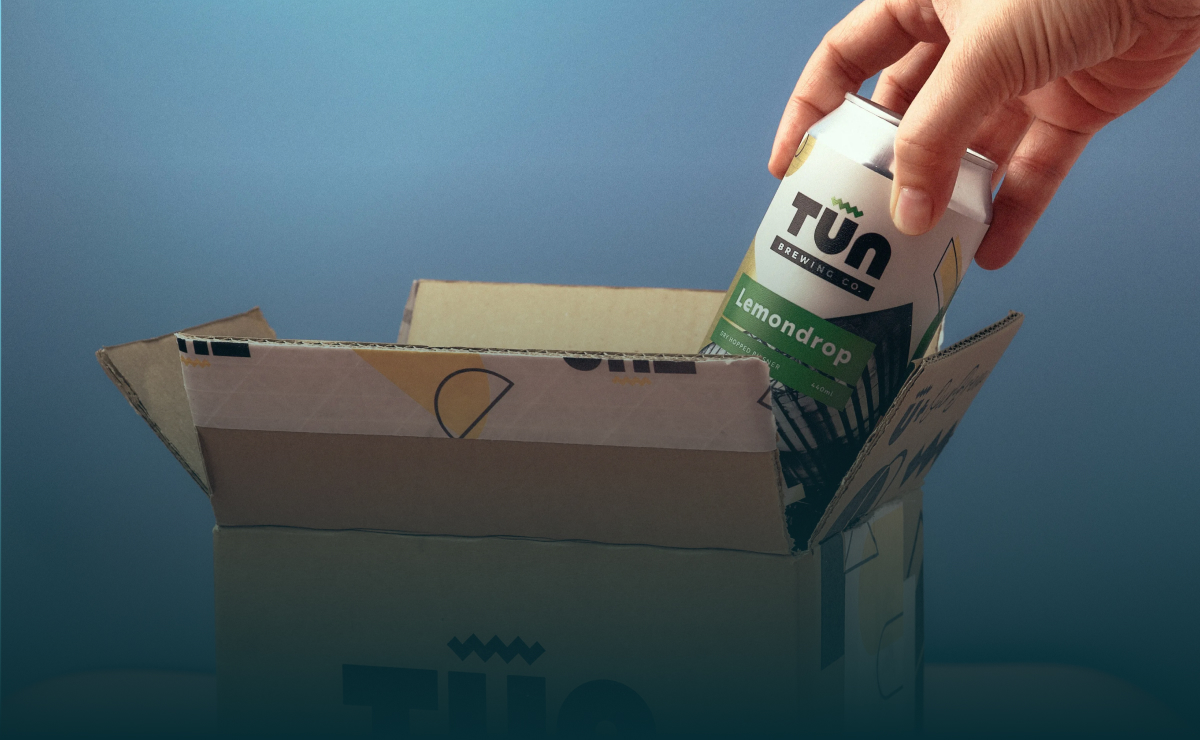
Products are carefully packed in line with brand requirements. This may include protective packaging, branded inserts or specific presentation guidelines.
Orders are labelled and dispatched via courier networks. Tracking details are typically sent directly to the customer.
Returned items are inspected and processed according to agreed procedures, helping to protect margins and maintain customer satisfaction.
Fast and accurate delivery plays a direct role in customer satisfaction, repeat purchases and brand reputation.
As order volumes increase, in-house fulfilment can quickly become a bottleneck. Outsourcing to fulfilment services in the UK allows brands to scale without significantly increasing internal overheads.
Warehouse space, staffing, packaging materials and courier contracts all carry costs. A fulfilment partner can often deliver greater efficiency through shared infrastructure and established courier relationships.
Managing fulfilment internally can be time-consuming. Delegating the order fulfilment process allows founders and teams to focus on growth, product development and marketing.
Many ecommerce businesses begin by fulfilling orders themselves. However, it may be time to outsource when you experience:
• Limited storage space
• Increasing order errors
• Slower dispatch times
• Operational strain during peak periods
Working with a professional fulfilment provider ensures that systems, processes and infrastructure are built to handle growth.
Tiger Fulfilment supports growing ecommerce brands with reliable, scalable fulfilment services.
With expertise in storage, picking and packing, courier coordination and specialist sectors such as alcohol fulfilment, Tiger Fulfilment provides operational support designed to remove pressure from day-to-day logistics. Their integrated systems, transparent approach and hands-on support help brands scale confidently while maintaining high service standards.
Rather than acting as a distant warehouse, Tiger Fulfilment works as an extension of your team.
Whether you are experiencing growing pains, preparing for peak season or simply looking to improve operational efficiency, the right fulfilment partner can make a measurable difference.
To find out how Tiger Fulfilment can support your business, get in touch to discuss your requirements and next steps.